Every December 1st, the global HIV community pauses to take stock — of the progress made, the lives still at risk, and the work still ahead. This year's theme, #RethinkRebuildRise, asked programs like ours to be honest about what's working and rebuild what isn't. For Project Concern Zambia, that meant looking hard at the group we consistently see slipping through the cracks: adolescent girls and young women.
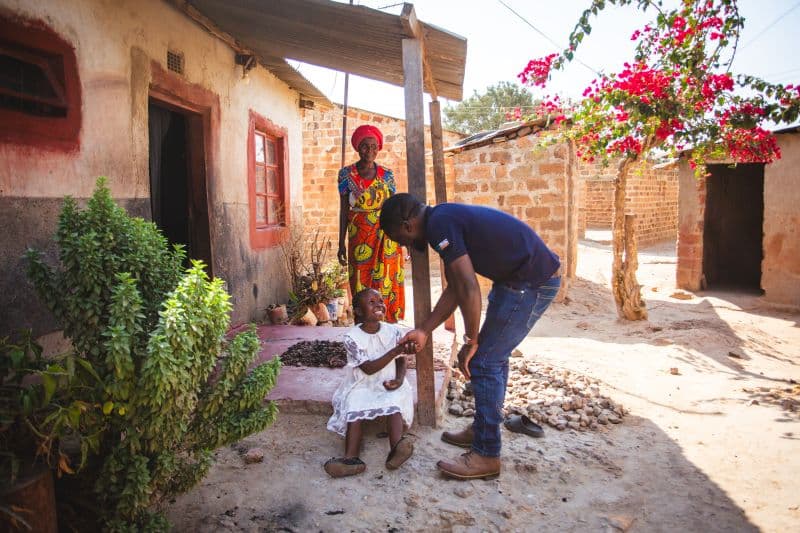
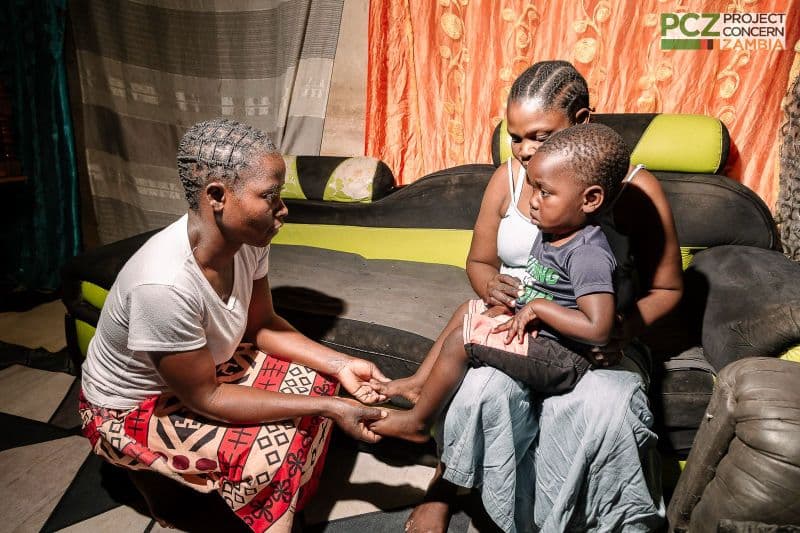
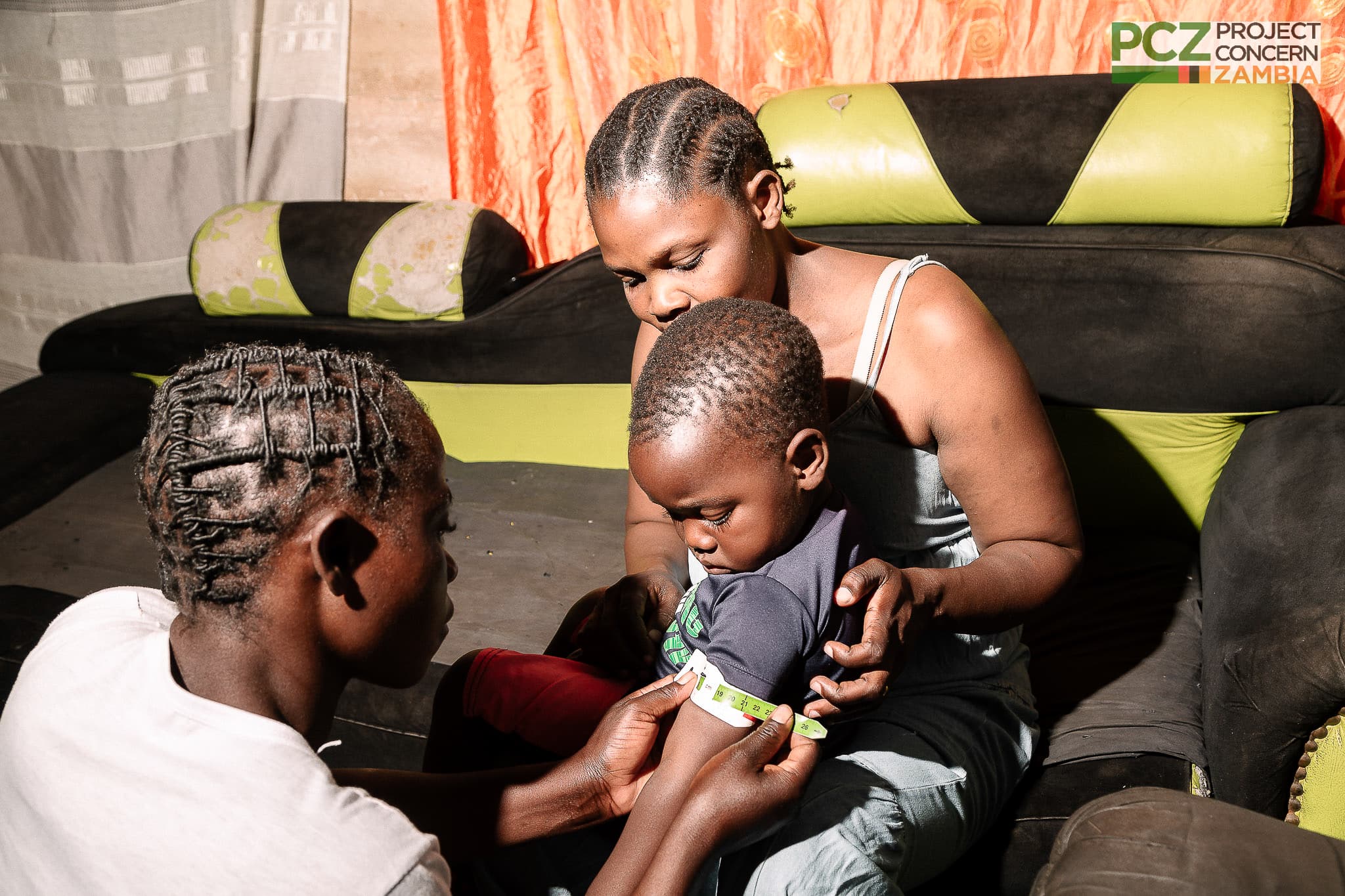
AGYW carry a disproportionate share of Zambia's HIV burden, and the reasons are rarely just biological. They're social — a girl who drops out of school because there's no money for fees is more exposed to transactional relationships. A young woman who's never been tested is more likely to find out her status only once she's already pregnant. Stigma keeps both silent long after a diagnosis. Our case workers see this pattern constantly, which is why our ECAP+ programming pairs HIV testing and treatment with school retention support, economic strengthening through Women Empowered savings groups, and — critically — psychological first aid for girls processing a diagnosis alone.
This World AIDS Day, we marked the occasion alongside the Ministry of Health, PEPFAR, and our USAID partners at community events across several districts — testing drives, open conversations about stigma, and recognition for the case workers and community health volunteers who do this work year-round, not just on the days it makes headlines.
We also used the day to recommit to something harder to put on a banner: cervical cancer screening. HIV and cervical cancer intersect more than most people realize — women living with HIV face a significantly higher risk, and in communities where a cancer diagnosis already carries as much stigma as an HIV one, many women avoid screening altogether. Our technical teams have made integrating the two a priority, because treating one risk while ignoring the other isn't epidemic control, it's half a plan.
Rethink, rebuild, rise — it's a good theme because it doesn't pretend the work is finished. Zambia has made real progress toward HIV epidemic control, and PCZ is proud of the part our case workers play in it. But the girls still waiting to be tested, still afraid to say the word HIV out loud in their own homes, are the reason December 1st isn't a finish line for us. It's a checkpoint.
Stories like this happen because a case worker showed up.
Your support decides whether they can keep showing up.
Make a Donation