
Achildiswaitingforsomeonelikeyou.
Right now, a case worker is walking miles, crossing rivers, and knocking on doors to reach a family who has no one else. Your support decides whether they make it there.
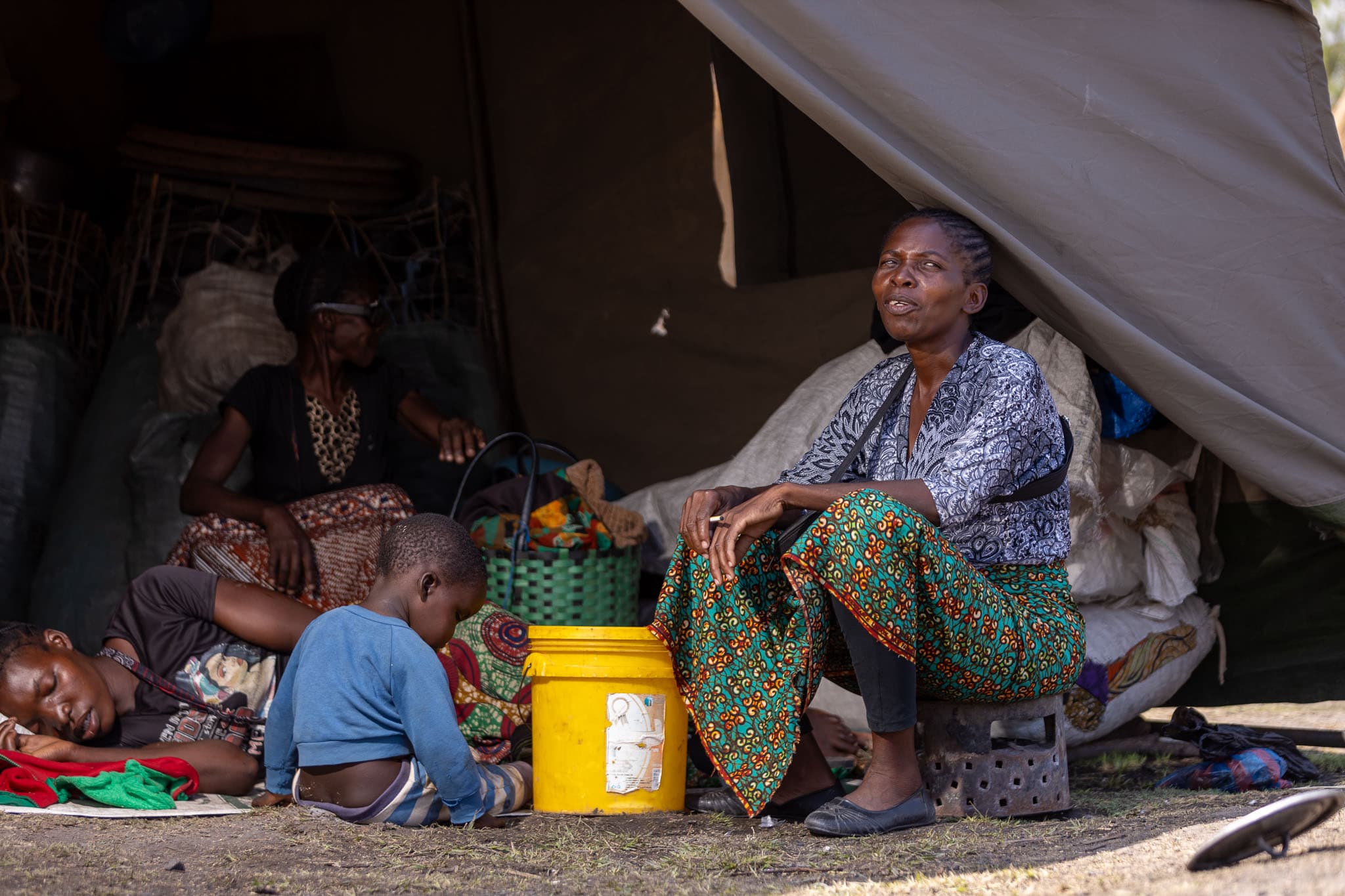
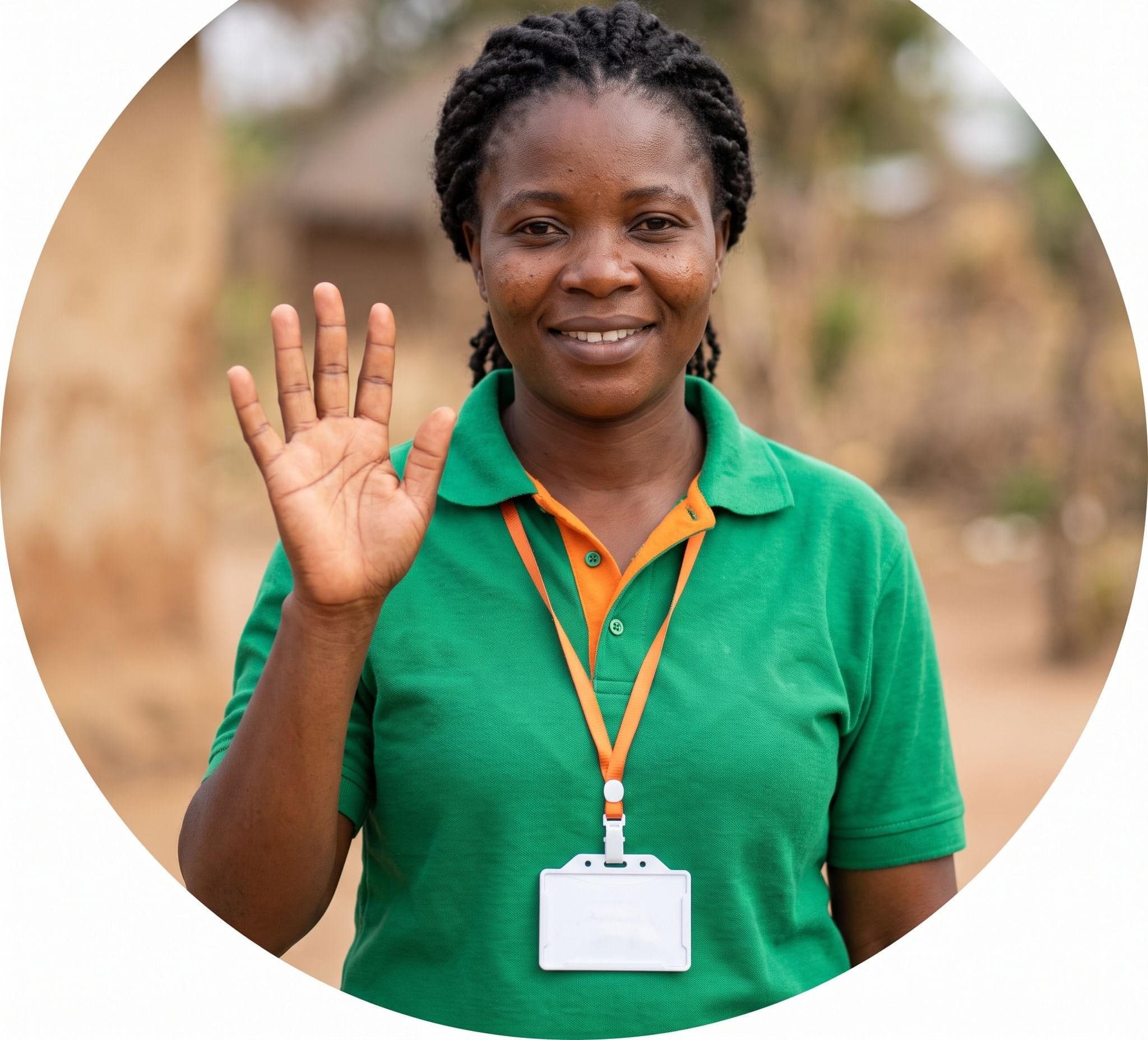
A thank you from the families you help
PCZ's season's greetings to the donors, partners and communities who make this work possible.
Case workers deployed to 300+ communities
Reached with HIV, health & socioeconomic services
Supported with school progression & retention
Women Empowered (WE) Savings Groups trained
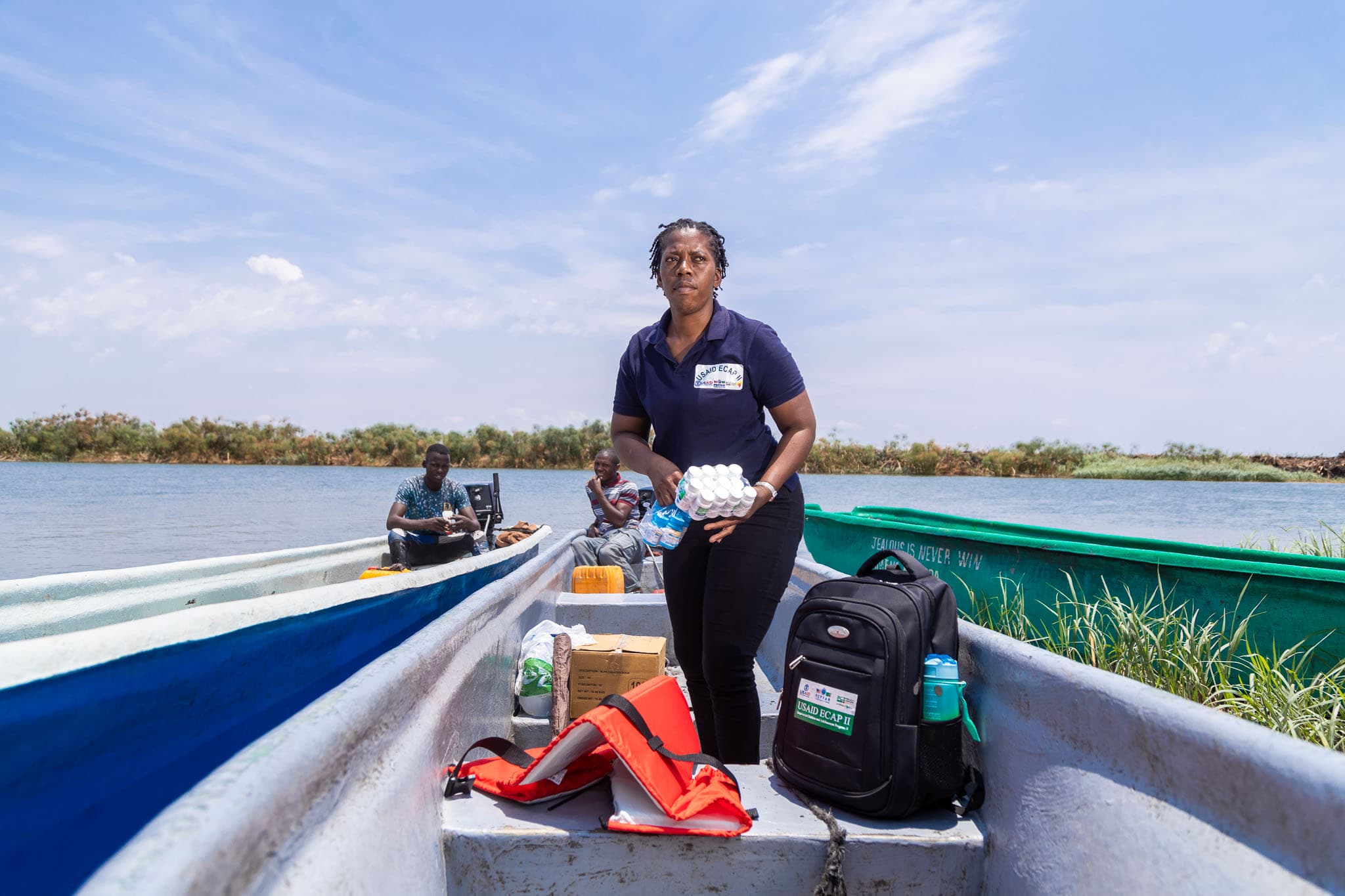
A real PCZ case worker, crossing water to reach a family with no other way to get care.
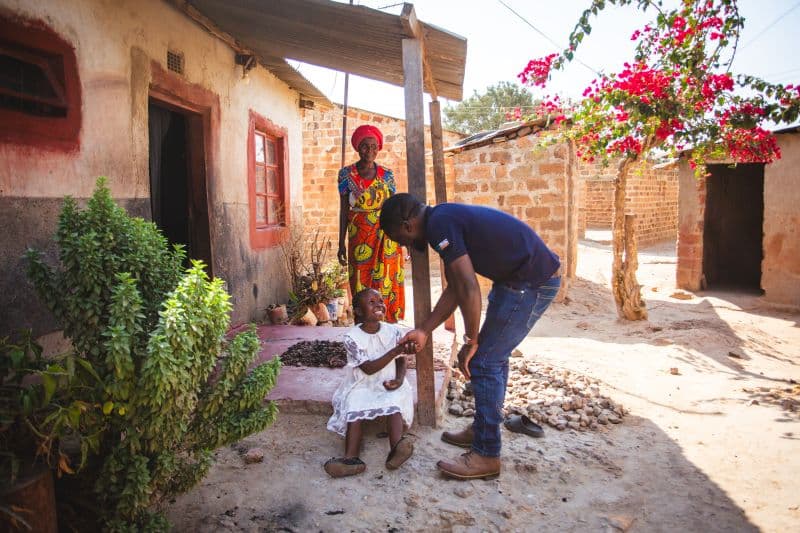
This is why a case worker knocks on one more door.
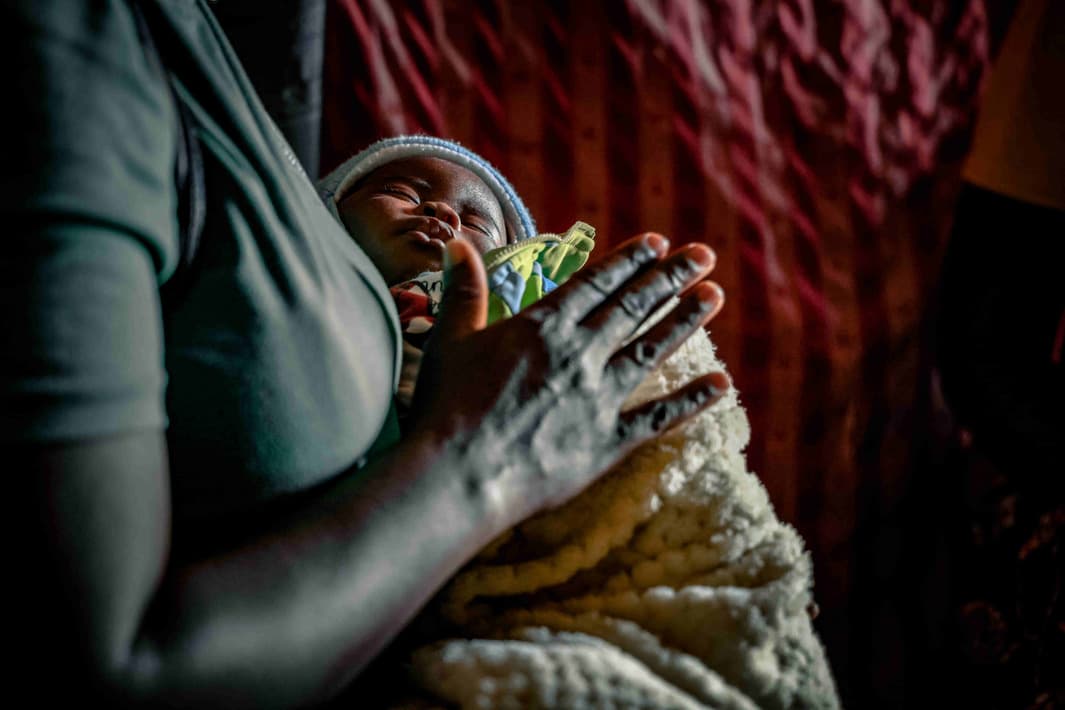
In October 2025, Prisca's case worker, Abigail, was reviewing her care plan when Prisca mentioned unusual bleeding. Abigail walked her to the nearest clinic the same day. The screening found precancerous lesions — too advanced to treat on site. Prisca needed a procedure offered only at a hospital 250 kilometres from home.
Through PCZ's blended financing model, a private donor covered the transport. Prisca completed the referral and the procedure. As the breadwinner for her family, she — and her mother — could not have been happier.
“Cervical cancer is preventable and curable; HIV is preventable and treatable — we will not waste time as we act at community level to bring these life-saving services to women.”
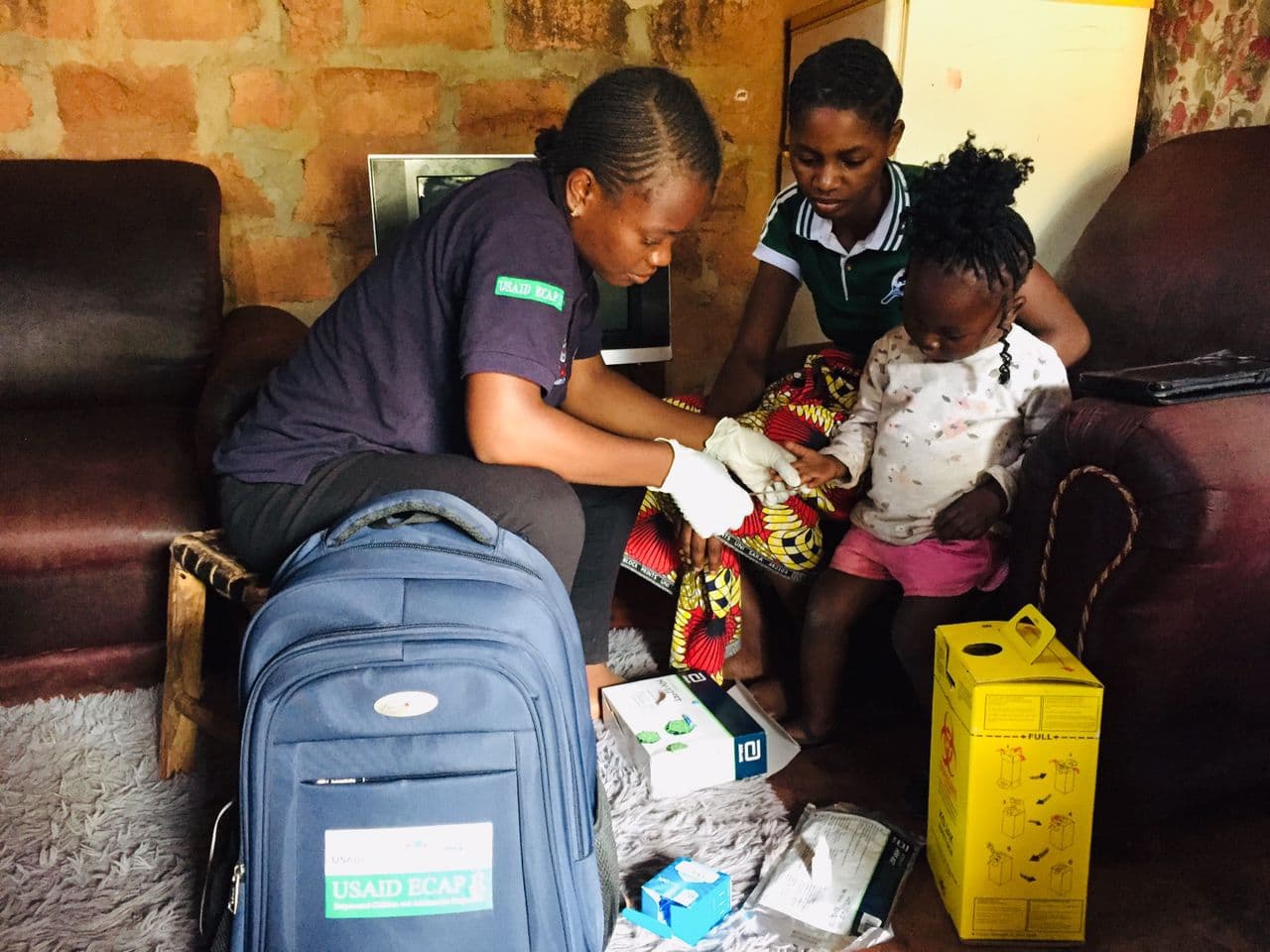
Empowering communities to improve health and overcome hardship
PCZ's mission is to empower communities in Zambia to improve health, protect and nurture girls and boys, eliminate hunger, and overcome hardship. Registered as an independent Zambian NGO in 2019, we now reach over 100,000 vulnerable children, adolescents and caregivers in more than 600 communities across five provinces.
PCZ in action
Real ceremonies, launches and community moments from the field — not stock footage.
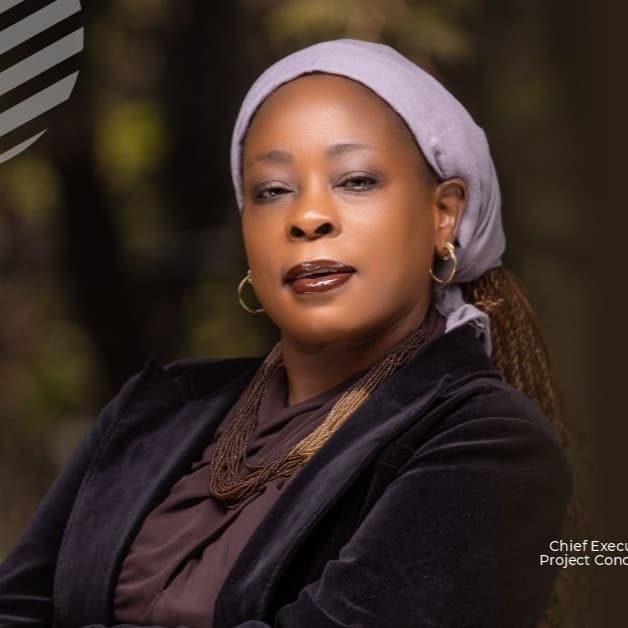
The person carrying this mission
Yvonne Mulenga is Chief Executive Officer of Project Concern Zambia, an affiliate of Global Communities. Under her leadership, PCZ successfully transitioned from Project Concern International in 2019 to become a local Zambian entity — and immediately became one of the first recipients of USAID funding in sub-Saharan Africa under the New Partnership Initiative Program.
She leads a team of close to 70 staff and five indigenous NGOs implementing a five-year, USAID-funded child- and adolescent-focused HIV/AIDS epidemic control program. Since 2000, her program management experience has spanned HIV/AIDS, maternal, newborn and child health, nutrition, laboratory and supply chain strengthening, cervical cancer screening, and orphans and vulnerable children programming. Her focus is advancing evidence-based approaches and sustainable community health and social systems to achieve HIV epidemic control in Zambia.
Her commitment to epidemic control and co-morbidities such as HIV and cervical cancer has seen her serve as co-investigator and country coordinator on several implementation studies, as Country Manager for Valid International, and as Country Coordinator for the WHO and CDC Foundation-funded study on improving data for decision-making in cervical cancer programming. She holds a Master of Public Health from the University of Essex, United Kingdom.
The families she thinks about most are the ones easiest to overlook: adolescent girls navigating HIV risk with no one to talk to, women facing a cervical cancer diagnosis with no way to reach treatment, households where poverty and stigma arrive together and reinforce each other. She has built her career around the belief that none of that is inevitable — that with the right systems, the right people on the ground, and enough persistence, it can be pushed back. She is the one steering that effort, day after day, and it is their lives it is steering toward.
This work asks for sleepless nights and an endless kind of patience, and she gives both without being asked twice. To the children who've lost parents, she's become something like a mother. To the widows rebuilding their households, something like a sister. It isn't a role she clocks out of — it's the shape her life has taken, and it's why a program built on paperwork and funding cycles still manages to feel like family.
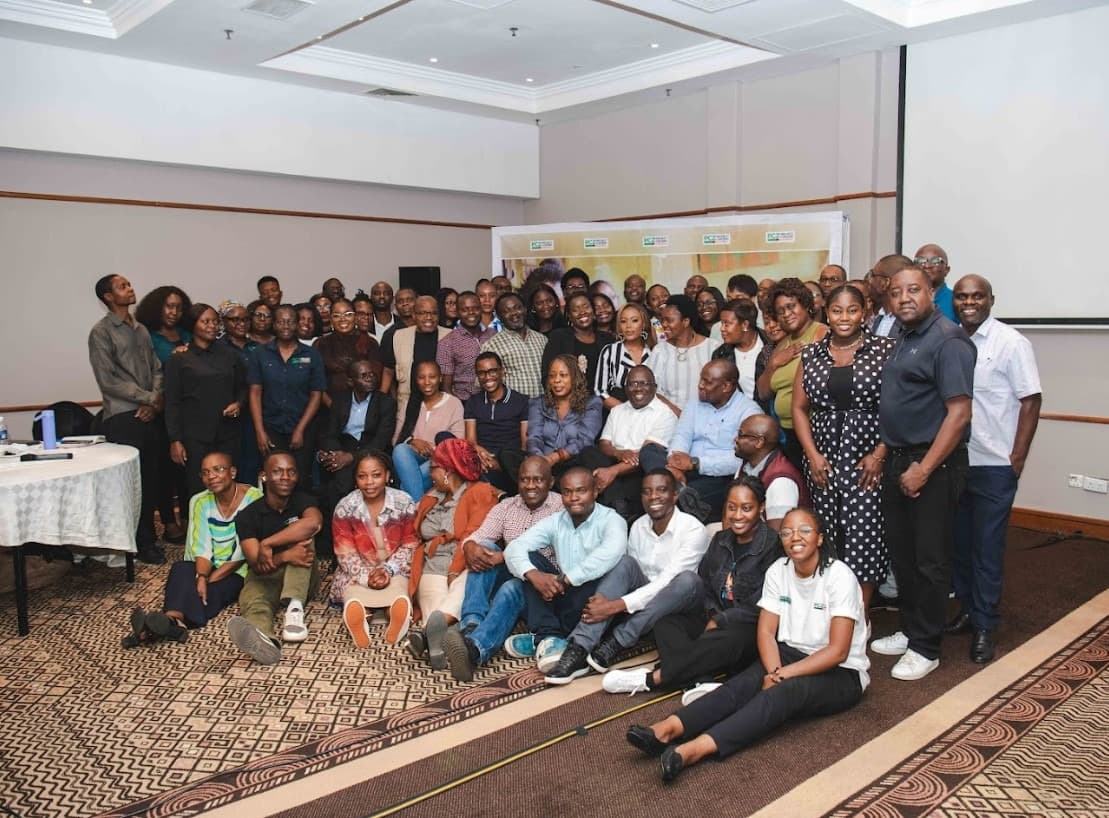
Led by Zambians, for Zambians
A team of close to 65 staff, alongside three indigenous NGO partners, delivering a USAID-funded child and adolescent HIV/AIDS epidemic control program across Zambia.
Five pillars of care, delivered where it matters most
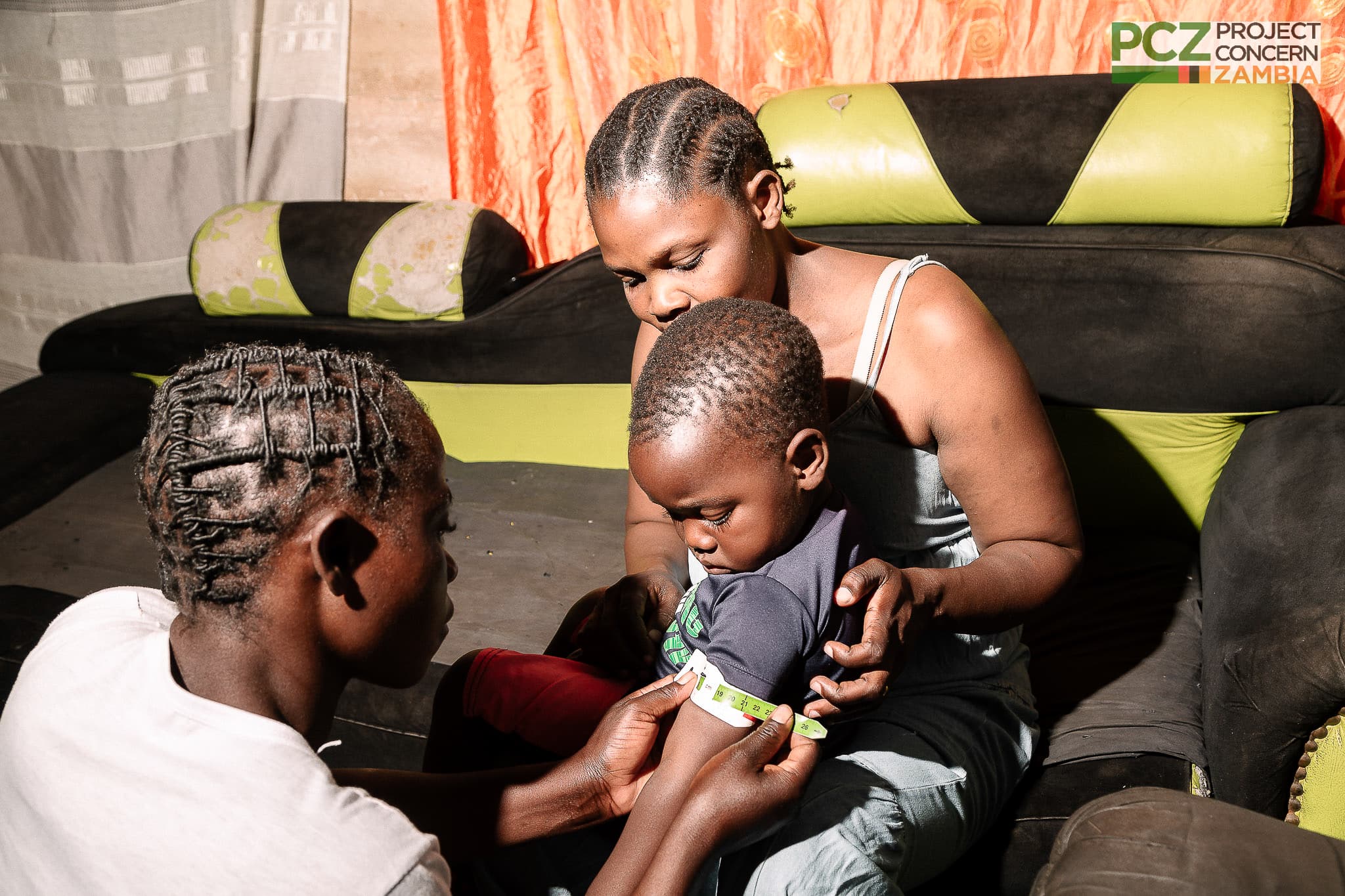
Health
Improving child, adolescent and maternal health and supporting epidemic control of HIV/AIDS, TB and malaria — plus malnutrition and cervical cancer prevention.
End Hunger
Partnering with government livelihood programs to link households to Farmer Input Support and food-security packs, improving agricultural yields.
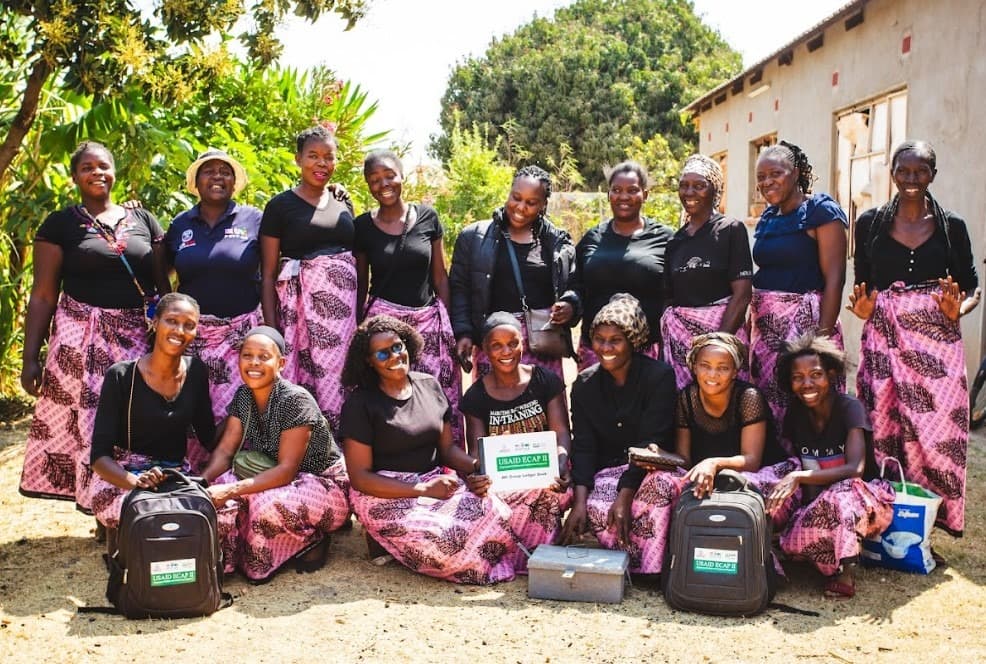
Overcome Hardship
Helping households build resilience to economic shocks through market-linked Women Empowered Savings Groups and financial literacy training.
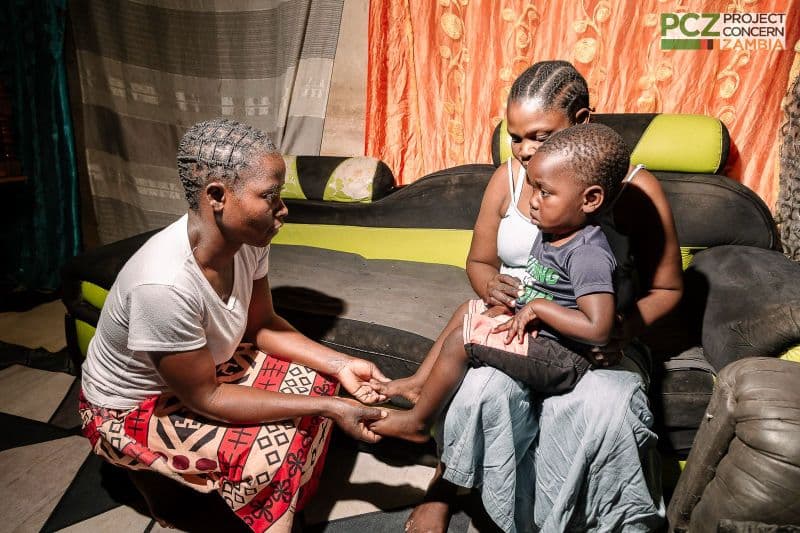
Digitalized Health Systems
Our electronic Case Management System lets case workers log point-of-care data on tablets in real time, feeding evidence-based decisions back to communities.
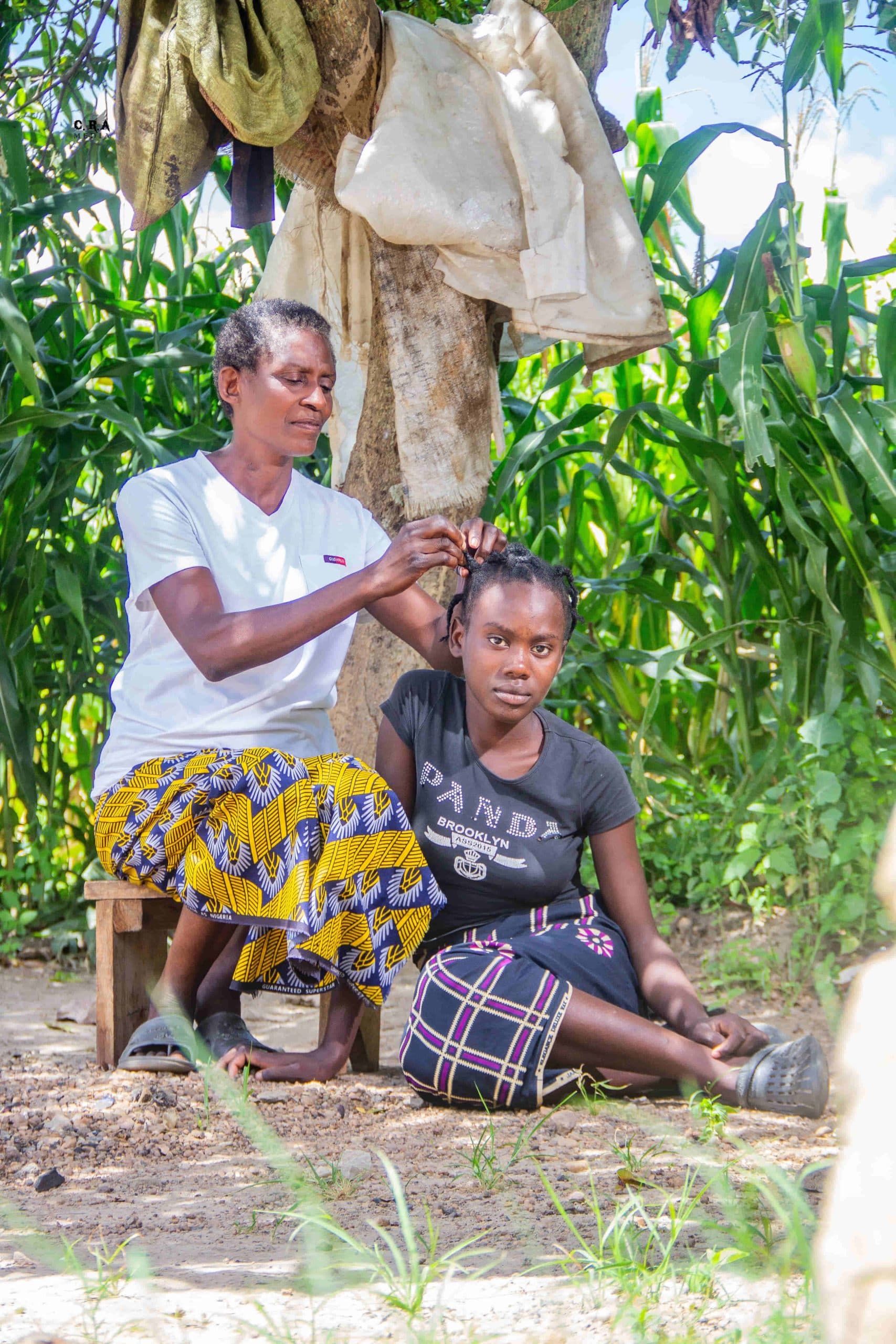
Adolescent Girls & Young Women
Expanding access to HIV prevention, sexual and reproductive health services and education, while addressing gender-based violence.
A network of case workers, not a map pin
Every district is a living link in the same chain of care — case workers, health facilities and savings groups, all moving information and support toward the family that needs it.
Drag to rotate
Three regions, one mission — our case workers and partner organizations operate across Zambia's Northern, Central, Lusaka, Southern and Western provinces. Hover a district on the map to see it highlighted.
Northern & Eastern
Central & Lusaka
Southern & Western
From the field
Backed by partners who share our mission

To every funder, ministry, and corporate partner walking this road with us — thank you. Your trust is what lets a case worker show up at one more door, and a child get one more chance.
Your support takes life-saving services further
Every donation helps a case worker reach one more family, one more child, one more community.